ZZ plant
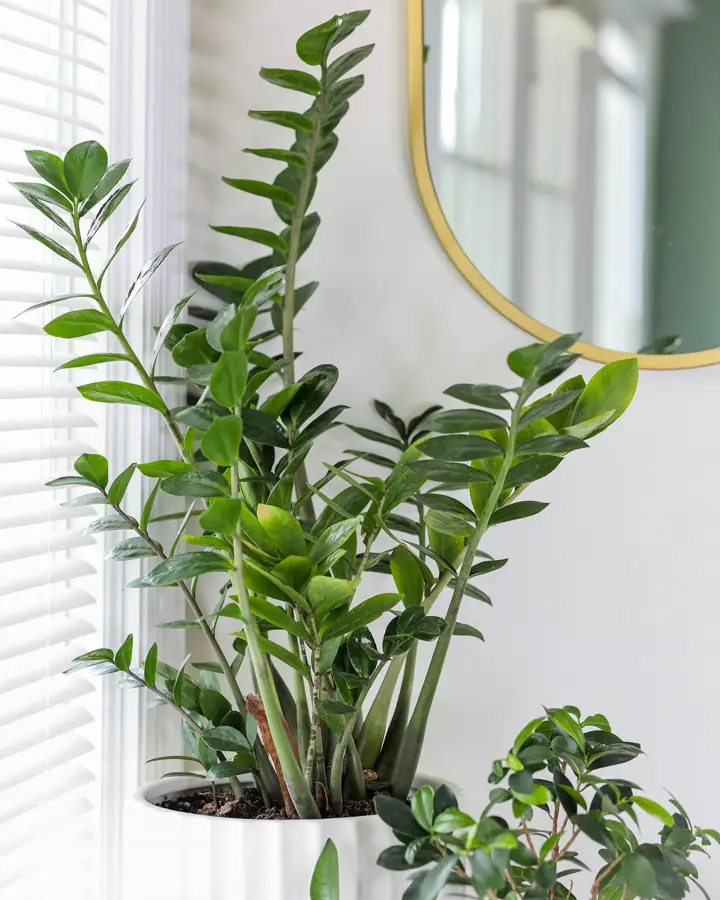
Zamioculcas zamiifoliaGood for desk rows far from the window, for corridors and even for a windowless meeting room. It rarely needs water, so the thing to guard against is overwatering.
Caring for indoor plants in an office is different from caring for them in a sunny living room, so every tip in our Plant library is written for office conditions. We have described twelve common species, based on what we have seen in our work since 1988.


Good for desk rows far from the window, for corridors and even for a windowless meeting room. It rarely needs water, so the thing to guard against is overwatering.

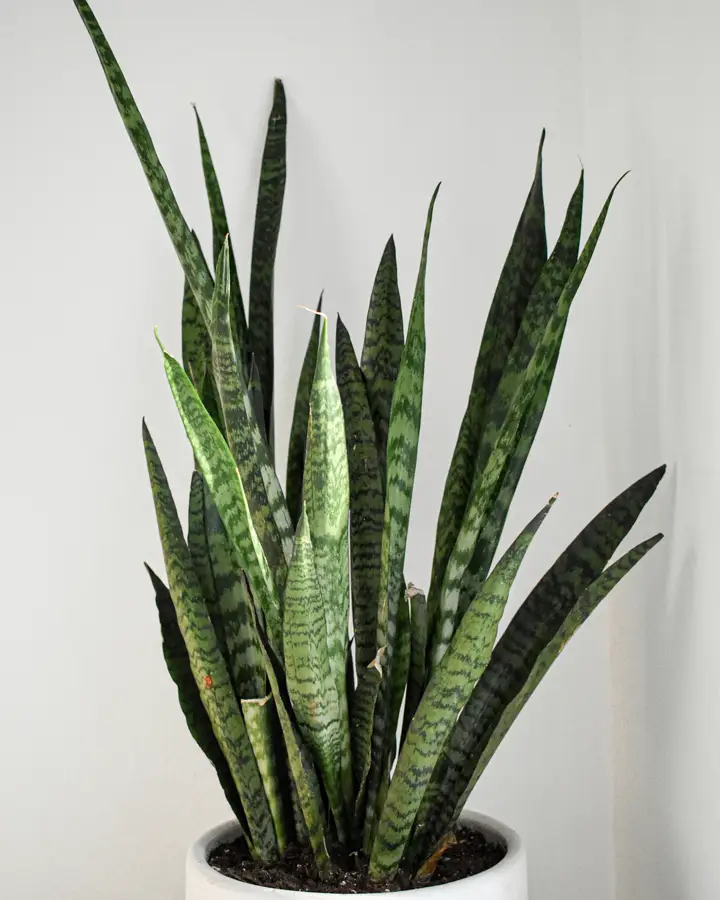
Its narrow, upright shape means it fits into tight spots, beside a reception desk or on a windowsill. If there is rarely anyone around to water it, this is the plant that copes best.

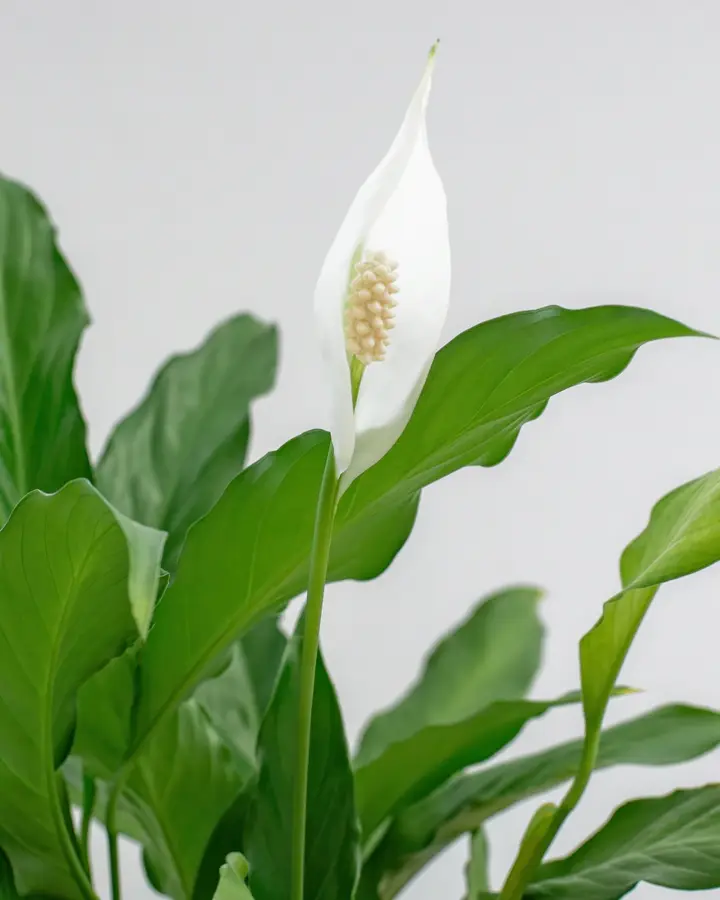
Put it in a meeting room or a few metres from the window, out of direct sun. It helps to have someone on the team who checks on it every week rather than waiting for it to droop.

Its wide-spreading leaves make it a plant for a lounge corner or a café area, not a narrow corridor. It is happiest in a bright spot, behind a curtain or blinds.

An elegant, tall palm for reception and meeting rooms that stays attractive even in partial shade. As it is non-toxic, you can happily put it in a dog-friendly office.

It belongs by a bright window, but away from the entrance door and the air-conditioning vent. Once it has found its spot, leave it there rather than shuffling it over to another corner.

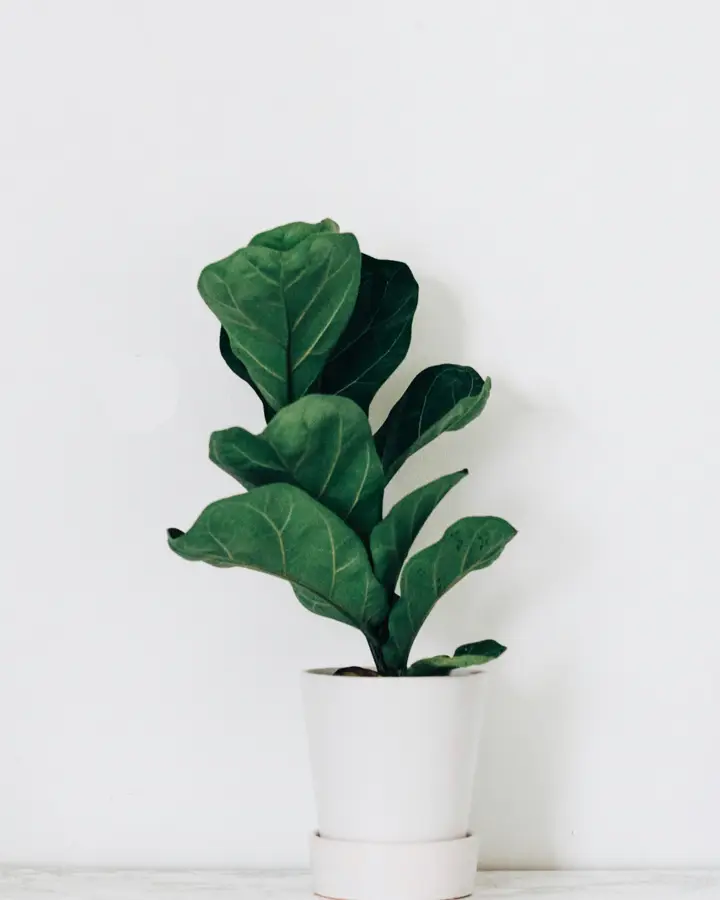
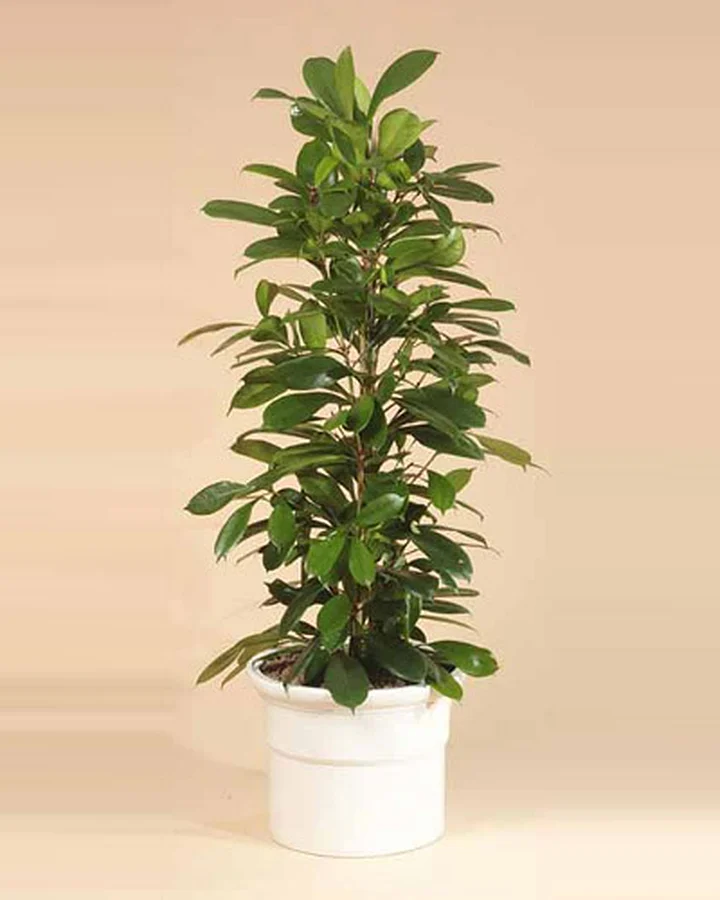
A hardier relative of the fiddle leaf fig: its leathery, oval leaves are less fussy, which makes it one of the most reliable figs for an office. If it does drop leaves, that is usually a sign that it has been moved or overwatered, so leave it where it is and water it less often.

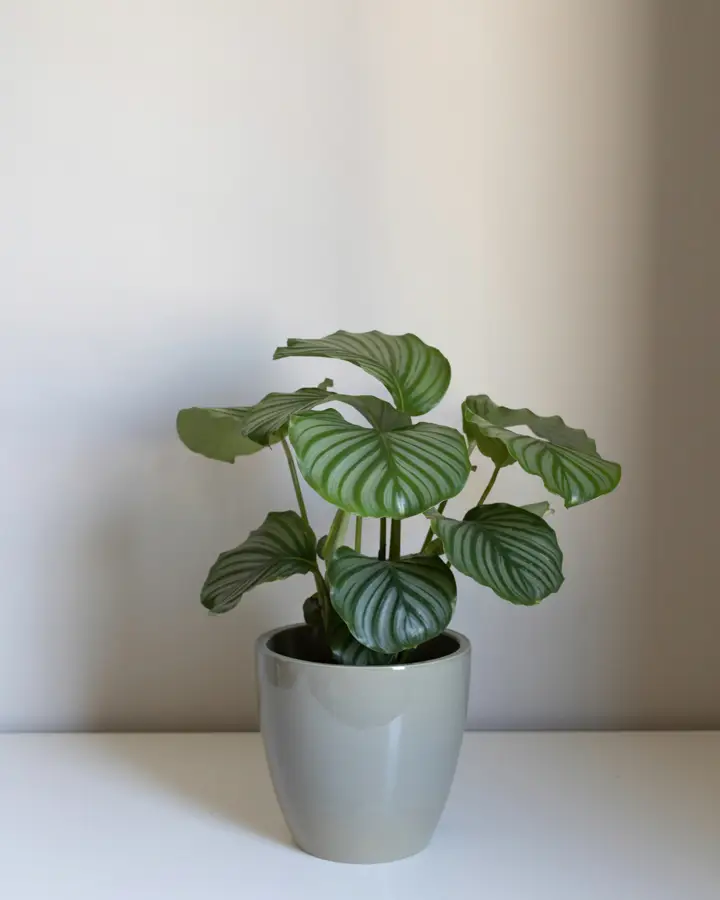
It struggles with dry, heated office air, so put it somewhere in partial shade where the air is more humid, away from the radiators. It folds up its leaves in the evening, and since it is non-toxic, it also suits an office with pets.

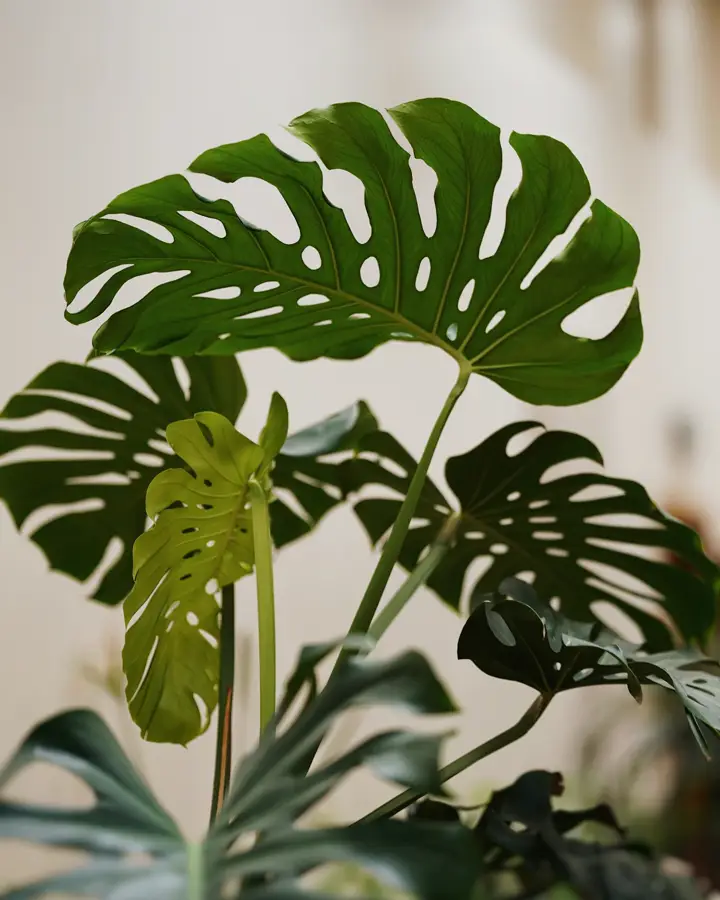
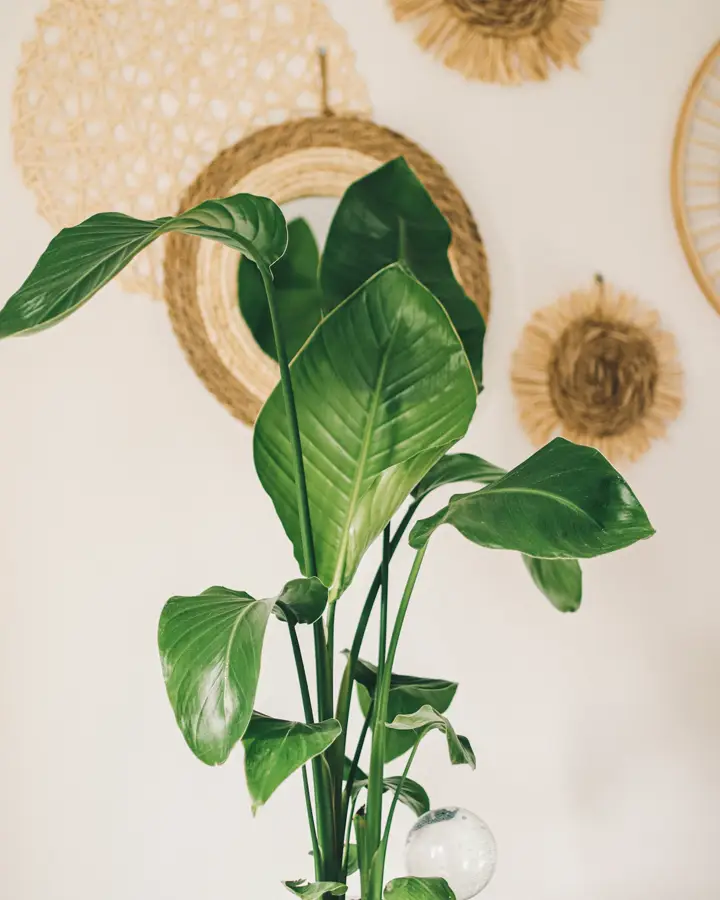
Its large, striking leaves suit a reception or a lounge with glass walls, but only where there really is plenty of light. Don't put it in the parts of the office far from the windows.

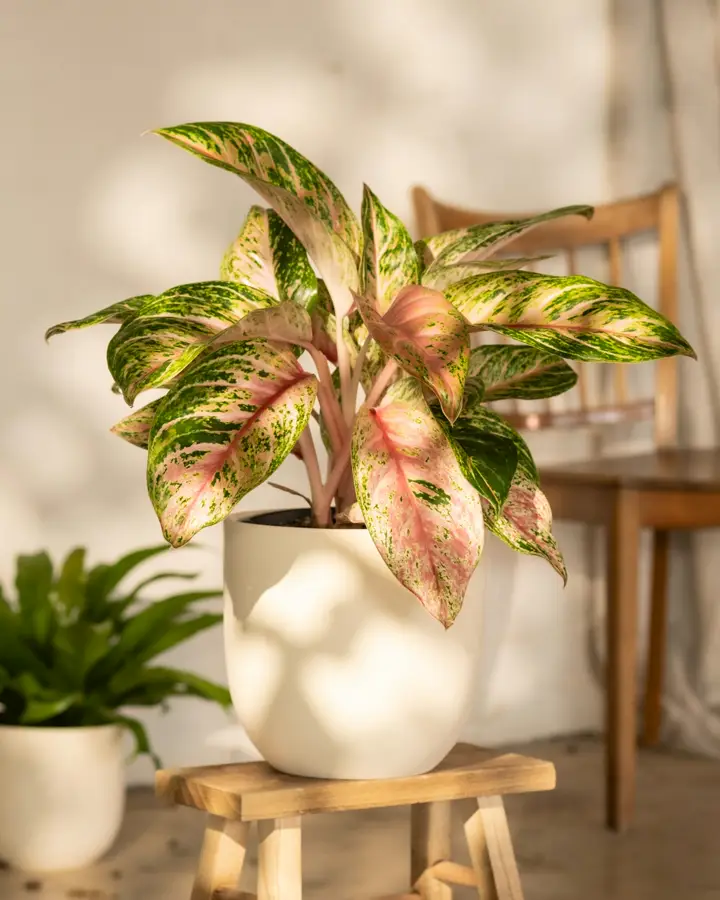
Its patterned leaves bring colour even to the dimmer parts of the office. It works just as well on a desk, on a shelf or on top of a low cabinet.

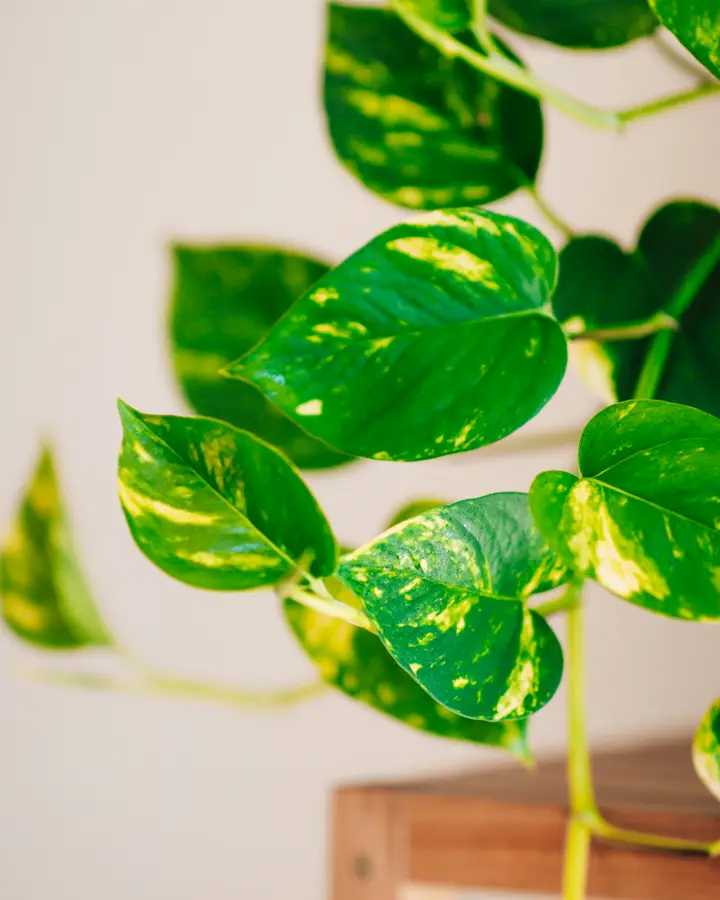
As a trailing plant, it belongs on top of a shelf or cabinet, or in a hanging pot, where its vines can hang down. In an office with pets, put it high enough that they can't reach it.

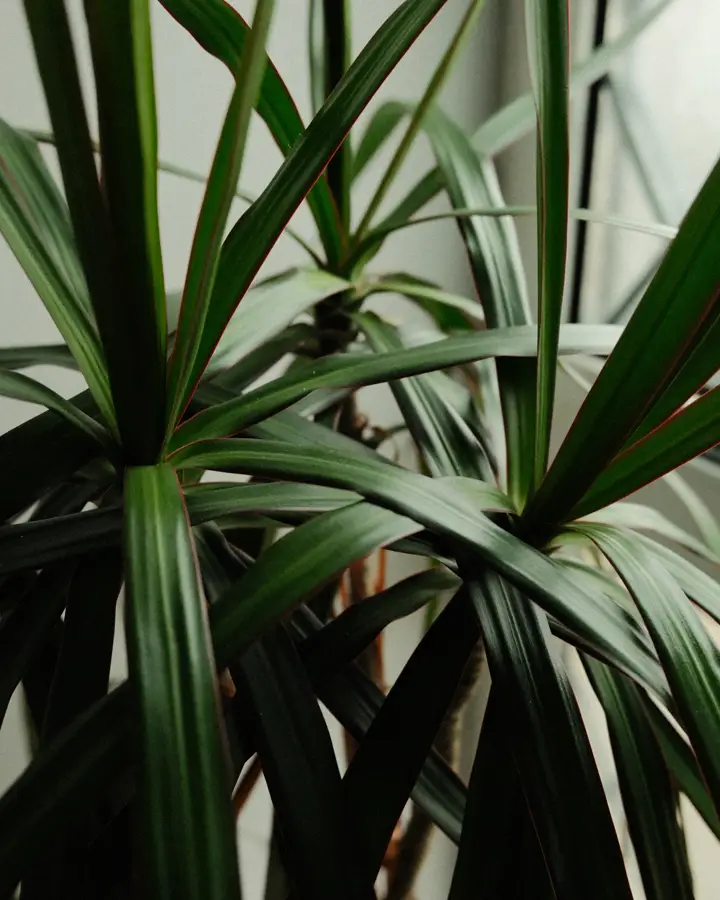
Its slender trunk means it looks good even on a small footprint, for example between desks or beside a cabinet. Its place is a few metres from the window, in medium light.
For every species we answer the same few questions, tailored to office conditions.
Is it happy with low light, or does it want to be by the window? This tells you which part of the office it belongs in.
We tell you how often it needs water in a heated, air-conditioned space and, where it has one, the sign it gives you when it is thirsty.
We describe how much space it takes up and where to put it so that it stays out of the way but still looks good.
We mark which species are toxic, which matters in a dog-friendly office and at home too.

Most houseplant websites have homes in mind and don't account for the fact that in an office the lights are only on during working hours, nobody waters at the weekend, and the heating and air conditioning dry out the air and can cause draughts. On top of that, many desks are far from the windows, so a lot of the plants get less light than you would first think.
These are the spaces we work in, so this is where our advice is aimed. When we say a species is happy with low light, we mean an office corner far from the window, and we give the watering frequency for a heated, air-conditioned space as well.


The Plant library is useful even if you look after your plants yourself. If you don't have the time, though, you can also rent plants from us: we visit regularly, care for them for a predictable monthly fee, and replace any plant that starts to decline.
We have written a separate page on shade-tolerant plants for windowless offices, and if you get stuck with one of your plants at home, we can help you there too.
The ZZ plant and the snake plant. Both are happy with low light, and in office conditions the ZZ plant needs water every 2-3 weeks and the snake plant every 2-4 weeks, so even a long weekend won't bother them. In an office with pets, though, be careful, because both are toxic.
Of the twelve species in our Plant library, the kentia palm and the calathea are non-toxic. The kentia does well in partial shade, while the calathea likes humid air, so it is happiest near a bathroom or a kitchen.
It varies a lot from species to species: the peace lily, the fiddle leaf fig and the bird of paradise want water every week, while the snake plant is fine with watering every 2-4 weeks. The frequencies on the plant profiles are for office conditions, but always check how moist the soil is rather than going by the calendar.
In low light, the ZZ plant, the snake plant, the Chinese evergreen and the pothos do best. Where there is no natural light at all, a grow light or a preserved moss wall is the answer, and we cover this in detail on our page about windowless offices.
Tell us how big the space is and which way the windows face. We will call you back within one working day, and the site survey is free.
Or email: hello@viragbirodalom.huCall: +36 20 944 3464
Our plants need water, our website needs cookies. Nothing grows here without the necessary ones, so they are always on. Statistics and advertising cookies only get planted if you give us the nod.