
Hedge trimming that keeps your hedge from getting out of hand
Careful hedge trimming leaves your hedge straight and tidy and, just as importantly, keeps it dense at the bottom, so it screens better year after year. In Budapest and the surrounding towns we trim and shape all kinds of hedges, from newly planted rows to tall, mature thuja walls.
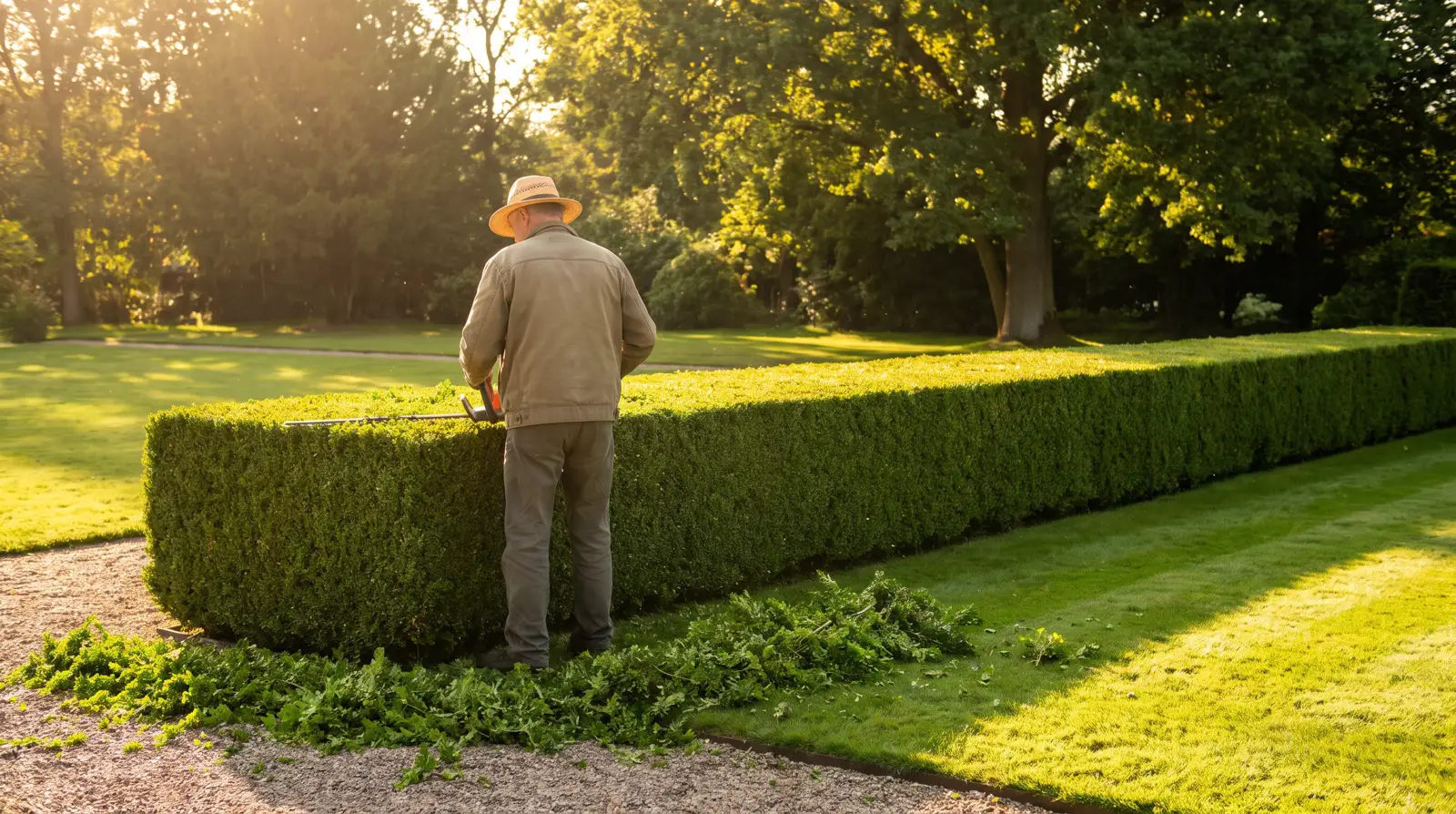
The hedge trimming we offer
Regular trimming to shape
We cut an established hedge back to its usual line and trim the sides so they taper slightly towards the top, letting light reach the lower branches; otherwise the hedge goes bare from the bottom up.
Hedge shaping
If you’d like a new shape, such as a rounded top or a lower or straighter line, we create it gradually so that no gaps open up in the hedge along the way.
Training a young hedge
In its first few years we cut a new hedge back more often and more gently, so it bushes out from the base and no gaps are left between the plants later on.
Before and after
An overgrown hedge and entrance before and after trimming. Drag the slider to compare the two.
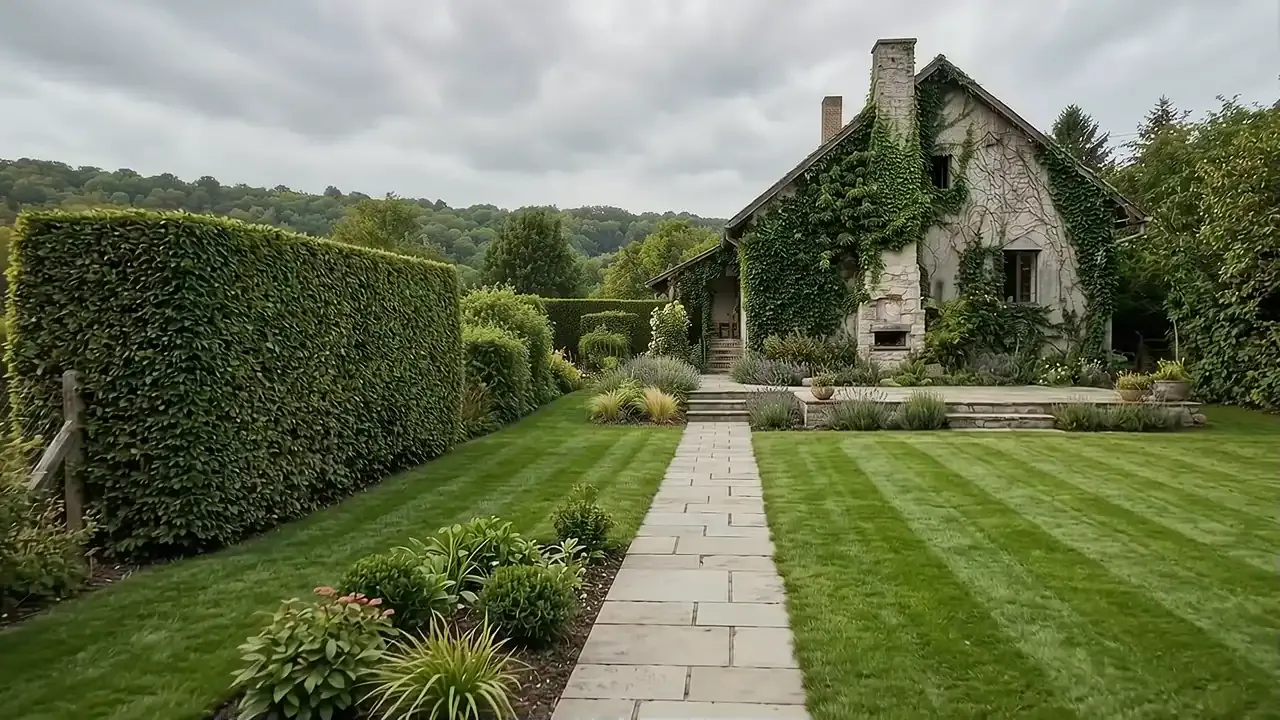
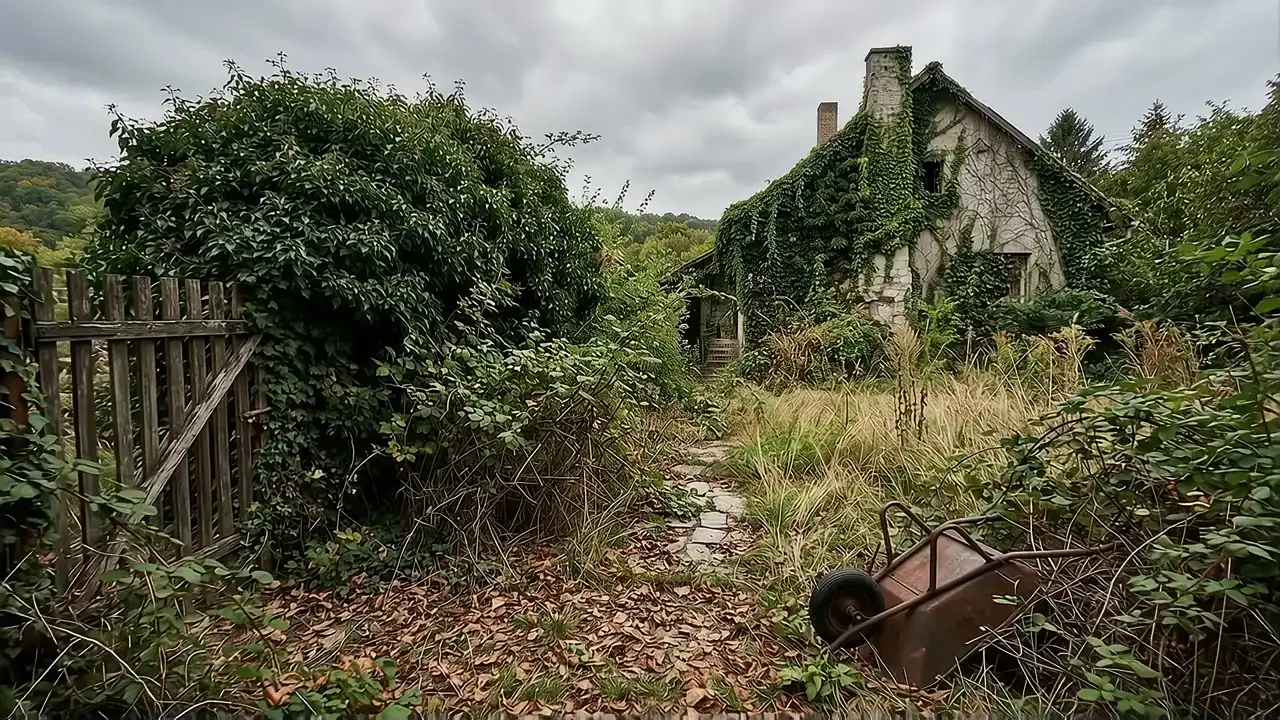 BeforeAfter
Every hedge grows differently
Many people choose a thuja hedge because it stays green all year, but it is more sensitive than you might think: it barely regrows from old, brown, bare wood. With thujas we therefore always stay within the green growth and never cut back to the bare interior.
Deciduous hedges such as privet or hornbeam grow much faster, so they need trimming more often, but they also cope with cutting better. For large-leaved cherry laurel we recommend pruning by hand, because leaves sliced in half by a hedge trimmer turn brown and look unsightly for a long time.
What affects the cost of hedge trimming?
The exact price is settled at the free site visit, and it is shaped mostly by the following factors.
The length and height of the hedge
A waist-high row is quick work, but we can only reach the top of a tall thuja wall from a ladder, which takes longer.
The condition of the hedge
A regularly trimmed hedge is quick to tidy, but if nobody has touched it for years, the overgrown branches have to be cut back first, and there will be far more cuttings.
The type of plants
Sensitive or large-leaved varieties need more work by hand than a quick-to-trim privet hedge.
Access
It matters whether we can work on both sides of the hedge, or whether the neighbour’s side, the street front or a narrow strip makes the job harder.
What if trimming no longer helps your hedge?
Sometimes a hedge becomes so bare or patchy that trimming it into shape is no longer enough. Even then we’re in no hurry to take it out; first we check whether it can be saved by rejuvenation or by replacing the plants that have died.
If a new hedge really is needed, we’ll plant that too, since planting shrubs is as much part of our work as grinding out the old stumps. With a new hedge it’s worth asking for an automatic irrigation system laid underground as well, so it gets through its first few summers in good shape.
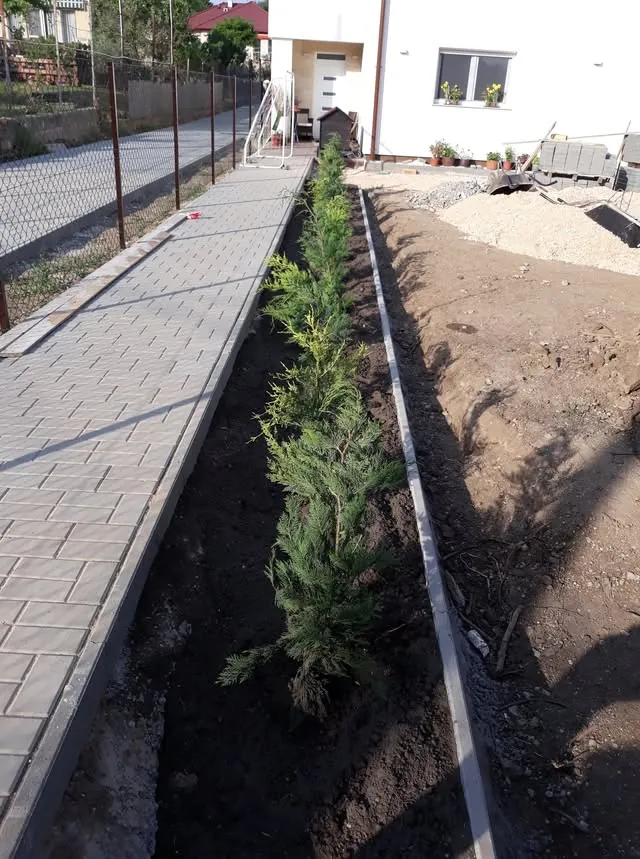
From our own work
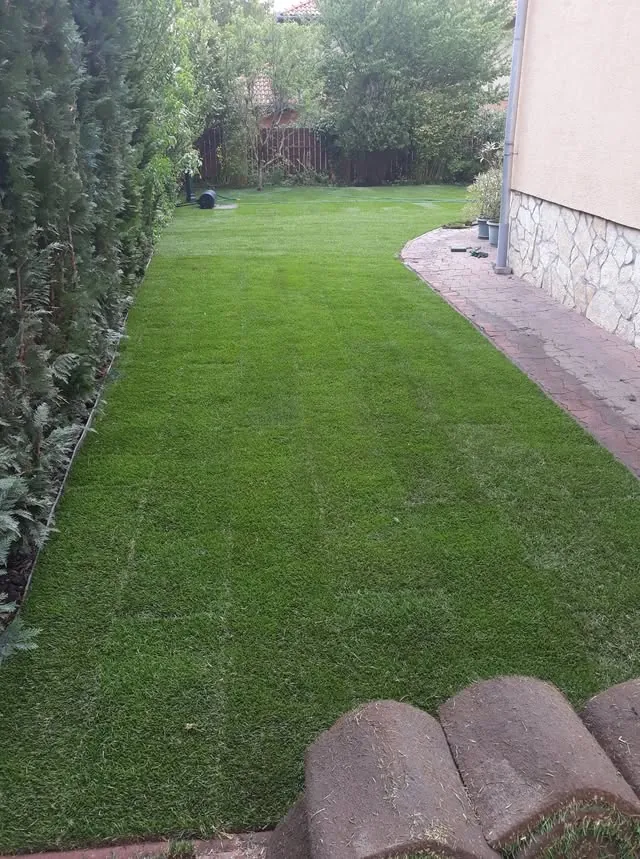
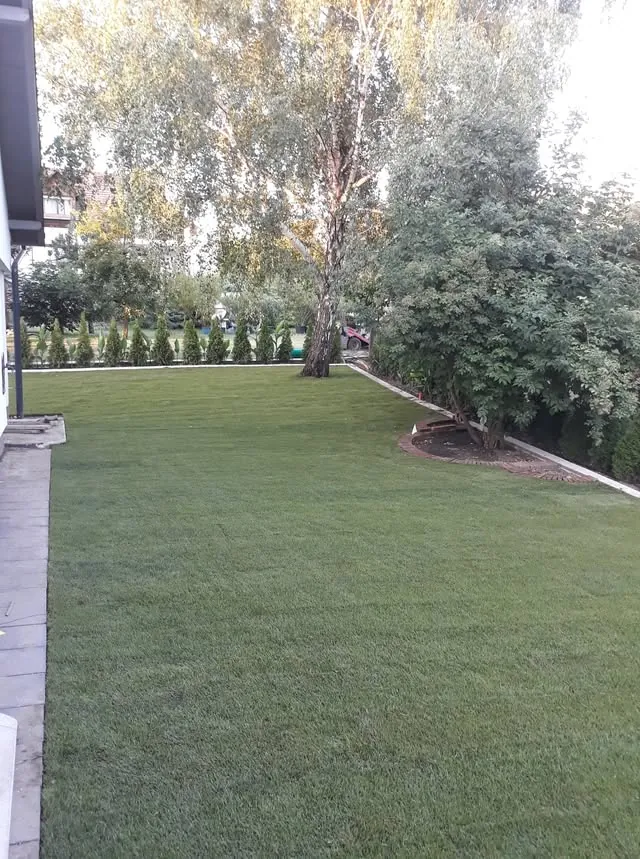
Real photos from jobs we have done ourselves.
Frequently asked questions
When should you trim a hedge?
Most hedges are best trimmed first in late spring or early summer, once the spring growth spurt has slowed, and then again at the end of summer. We don’t trim hard in late autumn, because the fresh shoots that appear after cutting wouldn’t harden off before the frosts.
How many times a year should a hedge be trimmed?
A fast-growing deciduous hedge such as privet usually needs trimming two or three times a year, while a slower-growing thuja often needs only one or two cuts. If you want a crisp, straight shape, the hedge needs attention more often than a looser, more natural row.
Can you cut a hedge back hard?
With deciduous hedges, yes, and this is what we call hedge rejuvenation: we cut an old, overgrown row back hard so it fills out again from the base. The best time for this is the end of the leafless period, before the hedge comes into leaf in spring. Thuja and false cypress, however, we don’t cut back hard; instead we reduce them step by step over several years.
Can you trim a hedge during nesting season?
Yes, but carefully: in spring and early summer many birds nest in hedges, so before trimming we always check for nests. If we find one, we leave that section alone and only come back to it once the chicks have fledged.
Do you take away the hedge cuttings?
Yes, if you like, we collect the cuttings and take them away, so all we leave behind is a freshly trimmed hedge. Trimming a longer row produces a surprising amount of green waste, but this way you won’t have to cram it into bags yourself.
How much does hedge trimming cost?
We don’t give a price per metre in advance, because trimming two hedges of the same length can be very different jobs. The site visit is free, and afterwards you receive an accurate quote in writing.
Request a site visit for hedge trimming
Tell us roughly how long and tall the hedge is and when it was last trimmed. We’ll call you back within one working day to arrange the site visit. You can write to us in English.
Quicker by phone? Call us on +36 20 944 3464.
Hedge trimming in District 17 and nearby
We mostly work in District 17 and the surrounding towns, but we come out to every district of Budapest. See what your district or town requires.
